A tropical escape can mean a quiet lagoon, a lively beach town or a day exploring rainforest trails. The right trip depends on what we want to do, how far we will travel and what we want to spend. Some islands suit travelers who plan every day around the sea; others reward time spent on land, in town or outdoors.
Our choices span the Caribbean, the South Pacific and Asia. They offer different ways to spend a holiday, but no island fits every traveler or budget. We can use this shortlist to compare the kind of days each place makes possible, then weigh travel time and comfort before we book. The best starting point is to decide which of those experiences matters most to us.
Key Takeaways
- Match the destination to the activities we enjoy most.
- Compare the full route, not only the flight.
- Check lodging, local transport and meal costs together.
- Look at current conditions before choosing travel dates.
- Plan extra time for boat transfers and remote stays.
Tropical Islands to Visit for Every Travel Style
Travelers who want a classic beach break can start with Aruba or Anguilla, while divers can put Bonaire near the top of their shortlist. The best tropical islands to visit depend on the days we want to have, not a universal ranking. A major hurricane is a hurricane with maximum sustained winds of 111 mph or higher.
This is a practical style-based selection, not a universal ranking of islands. For beach-first trips, Aruba and Anguilla offer a clear starting point. For diving and sailing, Bonaire and St. Vincent and the Grenadines suit travelers drawn to the water.
| Trip priority | First island | Another option |
|---|---|---|
| Beach-first | Aruba | Anguilla |
| All-inclusive ease | Dominican Republic | St. Lucia |
| Food and culture | Jamaica | Curaçao |
| Diving and sailing | Bonaire | St. Vincent and the Grenadines |
Choose the place whose everyday activities appeal to us, not just the one with the most famous beach.
The top 10 Caribbean islands to visit include Aruba, Jamaica, the Dominican Republic, the Exumas, Antigua, Anguilla, Nevis, Curaçao, Turks and Caicos, and St. Lucia. We can group the first choices around easy beach time, food and culture, or activities on and under the water.
A list of tropical islands can reach far beyond the Caribbean. Aitutaki in the South Pacific and Palawan in the Philippines offer different scenery and travel styles. Those farther-flung places may involve longer routes, so the trip itself matters when we compare them.
Island travel can mean a resort stay, a local guesthouse, or several days moving between places. We can get a better feel for costs by comparing travel destinations for every budget with the activities we hope to enjoy.
Puerto Rico: Where Beaches Meet Rainforest and History
Puerto Rico is a strong pick for U.S. travelers who want Caribbean scenery alongside familiar domestic entry rules. Its beaches and culture fit naturally into one trip, with Old San Juan, Spanish, African and Taíno influences, and rainforest outings to El Yunque. U.S. citizens do not need a passport to enter Puerto Rico.
The island offers more than a beach day. We can walk historic streets, taste local food and head into the forest, all within the same visit. Four ideas give us a varied start:
- Explore Old San Juan.
- Visit El Yunque.
- Take a bioluminescent nighttime kayak trip.
- Sample local food on a guided walk.
Puerto Rico follows U.S. entry regulations, though international air travel has an added rule starting November 3, 2026. At 11:59 p.m. Eastern Standard Time, travelers on international flights must attest that they have not been in the Democratic Republic of the Congo during the previous 21 days.
The attestation applies to U.S. citizens, permanent residents and other travelers. That requirement is separate from the passport rule for U.S. citizens. Anyone traveling internationally to Puerto Rico from November 3, 2026, should check the international-flight attestation requirement before departure.
Martinique for French-Caribbean Culture on a Budget
Martinique gives us a way to pair a Caribbean beach day with French-Caribbean town life. Les Salines offers a shoreline break, while St. Louis Cathedral gives us a different setting in town. The contrast can make a trip feel broader than a stay spent only beside the sea.
Hotels can be found for less than $150 a night, though that price does not cover every property or date. We can look for lodging that leaves room in the budget for local meals and outings. French-Caribbean identity shapes the island’s food and daily feel, giving us reasons to explore beyond the sand.
A day at Les Salines might center on a swim and time in the sun. A town visit can bring us to St. Louis Cathedral and nearby places to eat. Local food helps connect those stops with the island’s French-Caribbean character.
Prices can change with the property and dates we choose, so one low nightly rate should not shape the whole plan. We can compare rooms by location and the features we actually need, rather than paying for extras that will go unused. The beach and town can both fit into a stay without treating either as the only reason to visit.
Check the total lodging cost for the dates we want, since the under-$150 nightly option is not a guarantee for every stay.
Barbados for Long Beach Days and Local Food
Barbados offers more than 70 miles of white-sand beaches, so the choice of coast can shape the feel of the trip. Beach time may lead us toward a long day by the water, while Bridgetown and Atlantic-facing Bathsheba offer different ways to spend time on the island. More than 70 miles of white-sand beaches give travelers a wide range of coastal settings.
Bridgetown is the island’s capital, and a visit gives us a change of pace from the shore. Bathsheba sits on the Atlantic side, where the coast has a different feel from a sheltered beach. We can enjoy local food and town life alongside days spent by the sea.
One mistake is choosing accommodation only by beach photos. A picture may show bright sand and blue water, but it may not tell us which side of the island the hotel sits on. Water conditions can matter as much as the view, especially if we want to swim each day.
We can use a map to see how lodging relates to Bridgetown, Bathsheba and the beach areas we want to visit. Then we can choose a coast that fits our preferred setting and plans. A beach-focused trip may still include a meal in town or a stop along the Atlantic shore.
Check the location of a hotel on a map before booking, rather than assuming every Barbados beach has the same setting.
Bonaire for Shore Diving and Marine Life
Bonaire makes sense for a trip built around marine life, with Bonaire National Marine Park surrounding the island. Shore diving and snorkeling can put the water at the center of our plans. The park surrounds the island, making its marine setting a defining part of a Bonaire trip.
We can plan days around dives, snorkel stops and time along the coast. The island suits travelers who want to spend much of their visit in or near the water, rather than filling each day with inland attractions. Activity needs and site conditions can affect how we shape an outing.
Bonaire’s low season runs from May to October, when temperatures are around 80 degrees. That describes a quieter travel period and typical temperatures, not a promise about every day’s weather or sea conditions. Season and conditions are related, but they are not the same thing.
We can use the low-season months as one part of date planning, then shape each day around the activities we want. Divers may need to check what a specific site requires, while snorkelers can plan around the day’s water conditions. A trip can still include time on land, but the sea is the main draw.
Confirm current water conditions and any activity requirements before planning days around a particular dive site.
Aruba for Reliable Beach Weather and Desert Landscapes
Aruba pairs a well-known beach stop at Eagle Beach with a very different inland landscape at Arikok National Park. Two settings let us split a trip between the coast and trails through a drier, rugged area. We can make room for both beach time and inland sights on one island.
Eagle Beach draws travelers for a coast day, while Arikok National Park offers a change of scenery. Its trails and landscapes create a reason to leave the shoreline behind for a while. We can plan a beach morning and an inland outing on separate days, or adjust the mix to suit the group.
A beach-centered itinerary can feel limiting if we never leave the resort area. Leaving the coast gives us a chance to see a different part of the island and build a more varied trip. It can also help us decide whether we want quiet beach days or a mix of outdoor activities.
Aruba works well for travelers who want both a comfortable shoreline and land-based scenery. We do not need to pack every day with activities; one inland visit can change the pace. The island’s two settings make it possible to choose a rhythm that fits our trip.
Set aside at least one outing away from the main beach area if exploring the island is part of the goal.
Dominica for Rainforest and Waterfall Adventures
Dominica is the pick for travelers who would rather trade a day by the pool for a rainforest trail or river outing. Known as the “Nature Island,” it offers rainforests and water as central parts of a visit. Hiking and river trips need plans that fit our fitness, the weather and local conditions.
The Kalinago Territory adds a cultural dimension to a nature-focused trip. We can explore several distinct places, though each outing asks for a different level of effort and planning. These four options give us a range of ways to spend time outdoors:
- Take a boat trip on the Indian River.
- Visit Trafalgar Falls.
- Hike toward Boiling Lake.
- Visit the Kalinago Territory.
A river outing and a hike do not call for the same preparation. Fitness and conditions can shape how far we go and which activities suit the group. We can also ask about local conditions before setting out, especially when an excursion depends on the weather.
Dominica may suit travelers who want active days more than a resort-centered stay. A visit can still include quiet time, but the island’s rivers and trails invite us to move around. The Kalinago Territory can add a different focus alongside outdoor activities.
Choose hikes and water-based excursions to match the group’s ability and the day’s conditions.
Roatán for Reef Trips and Shoulder-Season Travel
Roatán is a strong option for a reef-focused trip, and its high season runs from December to April. This Honduras island draws travelers for diving and snorkeling in the surrounding water. Its shoulder seasons are May to June and October to November.
Those shoulder-season months can offer a different balance of visitor demand and conditions. They do not guarantee lower prices or ideal weather every week. We can compare dates based on the activities we care about and the kind of trip we want.
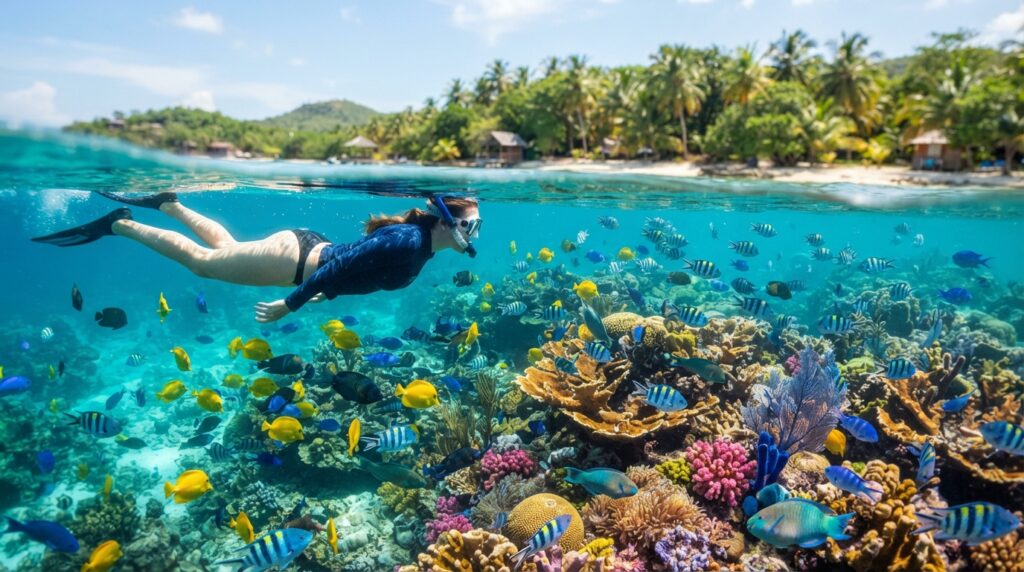
The high season gives us a clear frame for planning a reef trip, while the shoulder periods offer other dates to consider. Visitor demand can change with the season, but conditions still vary from one week to another. That makes exact dates more useful than a broad label alone.
We can think about how much time we want in the water, then compare the travel dates that fit. A reef-focused trip can center on diving and snorkeling without requiring a packed schedule. The right pace depends on the group and the outings we want to arrange.
Compare the exact travel dates and activity conditions rather than assuming every shoulder-season week will feel the same.
Bequia and the Grenadines for Sailing Between Islands
St. Vincent and the Grenadines suits travelers who want the journey between islands to be part of the holiday. Boat travel can connect days on Bequia, Union Island, Canouan, the Tobago Cays and Mayreau. The island group spans 45 miles and includes 32 islands and cays, of which 8 are populated.
That compact geography supports a trip built around sailing and short stays in different places. We can choose a few stops rather than trying to cover every island. Bequia may suit one part of the trip, while the Tobago Cays or Mayreau may fit another.
Moving between islands can make a holiday feel active and varied. The route itself becomes part of the experience, from open water to a new shore. Yet boat-dependent plans also need a realistic schedule and room for change.
We can leave space between sailings rather than filling each day with a fixed appointment. A flexible plan gives us options if a boat schedule shifts or a stop takes longer than expected. The group’s preferred pace can guide how many places we include.
Leave room in the itinerary for changes to boat plans instead of scheduling every day tightly.
Aitutaki for a Lagoon-Centered South Pacific Escape
Aitutaki stands out for the lagoon experience, reached by a 40-minute flight from Rarotonga. It belongs to the Cook Islands, which comprise 15 islands. Turquoise waters and boat outings make Aitutaki a strong choice for a South Pacific trip centered on the lagoon.
A typical lagoon tour visits four desert islands and three snorkelling spots. We can use a tour to see more of the lagoon in one day, while leaving other time for the island itself. Possible tour experiences include:
- Visit desert islands.
- Snorkel at separate spots.
- Look for giant clams.
- See the small post office on One Foot Island.
One-foot Island’s post office adds a small stop to a day otherwise shaped by the sea. The tour can also bring us to separate places for snorkeling and time on the sand. We can choose what matters most rather than treating each stop as equal.
Aitutaki’s lagoon is the center of the experience, but time on land can give the visit more range. Staying more than one day can leave space for a slower pace around the boat outing. The Cook Islands setting also gives us a wider trip beyond the lagoon itself.
Consider staying more than one day so a flight and lagoon outing do not become the whole visit.
Palawan for Limestone Lagoons and Boat Trips
El Nido gives us a base for reaching Palawan’s nearby lagoons and limestone scenery by boat. Its turquoise waters, coves and cliffs create a different kind of island outing from a South Pacific lagoon. Palawan’s limestone formations date back 250 million years.
El Nido’s nearby island and lagoon excursions are grouped into Tours A, B, C and D. We can compare each option by the scenery and activities it offers, rather than trying to fit all four into a short stay. Choosing one well-matched trip can leave room to enjoy the area at an easier pace.
A boat excursion can take us to lagoons and coves that shape the trip’s strongest memories. We can choose an outing based on what we most want to see, such as a particular view or a day on the water. A shorter stay may call for a focused choice instead of a packed tour schedule.
The limestone formations add a striking backdrop to the coast, while the boat trips make nearby islands part of the visit. We can use El Nido as a base, then build each day around the experience that matters most. That approach gives us more time to enjoy each place we reach.
Pick the excursion that best matches the available time and the scenery we most want to see.
When Should We Plan a Tropical Island Trip Around the Season?
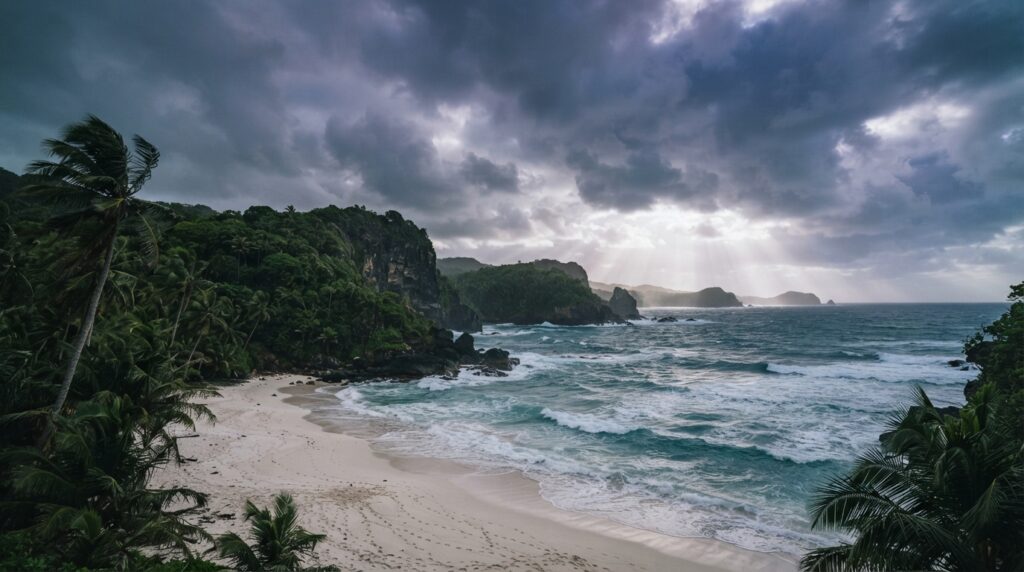
September and October both fall within the Atlantic hurricane season, but NOAA’s seasonal outlook does not predict where or when a storm will make landfall. Seasonal timing helps frame a trip, but it cannot tell us the exact conditions at one island. The 2026 Atlantic hurricane season runs from June 1 to November 30.
Storm categories depend on maximum sustained winds. A tropical storm has winds of 39-73 mph, a hurricane reaches 74 mph or higher, and a major hurricane reaches 111 mph or higher.
September and the Atlantic Hurricane Outlook
For 2026, NOAA gives a 55% chance of a below-normal Atlantic season, a 35% chance of a near-normal season and a 10% chance of an above-normal season. The outlook forecasts 8-14 named storms, including 3-6 hurricanes and 1-3 major hurricanes, with 70% confidence in those ranges.
The outlook estimates basin-wide activity, not a specific island’s landfall risk. It cannot say which place a storm may affect or when. A tropical island trip in September calls for attention to the specific destination’s current conditions, not a basin estimate alone.
October and the Historical Peak of Atlantic Activity
October remains within the Atlantic season. The historical peak falls on September 10, and most activity occurs between mid-August and mid-October. That pattern describes past seasons, not a forecast for a particular October.
| Storm category | Maximum sustained winds | Definition |
|---|---|---|
| Tropical storm | 39-73 mph | Maximum sustained winds of 39-73 mph |
| Hurricane | 74 mph or higher | Maximum sustained winds of 74 mph or higher |
| Major hurricane | 111 mph or higher | Maximum sustained winds of 111 mph or higher |
The 1991-2020 Atlantic season averaged 14 named storms, 7 hurricanes and 3 major hurricanes. Those averages give historical context; they do not predict the 2026 season. Before booking a Caribbean trip in either month, review the forecast and official local guidance for the specific destination.
How Can We Keep a Tropical Island Trip Within Budget?
A budget-friendly tropical vacation starts with the complete trip cost, not just the nightly room rate. Flights, lodging, transfers and meals all shape what we spend, and remote islands may need extra connections. We should compare the full route and stay before choosing a destination.
Caribbean international tourist arrivals grew an estimated 2.5% in 2025, reaching 35.0 million visitors. The Caribbean Tourism Organization estimated 3.9% growth in 2026. Those arrival estimates do not predict prices on an individual island.
Compare the Full Cost of Reaching and Staying on an Island
A lower room rate may not mean a lower total if flights and transfers cost more. A remote island may add another flight or boat ride, while meals and local transport add costs after arrival. We can check these five parts of the trip:
- Airfare.
- Lodging.
- Local transport.
- Meals.
- Tours.
The cost check helps us compare destinations on the same terms. A faraway island may still suit us, but its route belongs in the plan from the start. We can also look at budget-friendly travel destinations when we weigh the trip against what we hope to do.
Save on Activities Without Missing the Main Draw
We can protect the activity that matters most and save elsewhere. If a boat trip is the main reason for going, we might choose simpler meals or lodging that costs less. One priority excursion can give the trip a clear focus without paying for every available activity.
| Budget decision | Example | Trade-off |
|---|---|---|
| Travel dates | Compare more than one date | Schedule may need to shift |
| Lodging | Compare a local guesthouse with a resort | Services may differ |
| Transfers | Check the full route | Extra connections take time |
| Activities | Choose one priority excursion | Fewer optional outings |
Set aside money for the activity we most want to do before adding optional extras.
How Can We Judge Safety and Avoid a Poor-Fit Caribbean Trip?
A safe tropical trip depends on the specific destination, current conditions and the needs of the people traveling. Current guidance can help us make a better choice than a broad label about an island or country. The U.S. Department of State publishes destination-specific travel advisories.
The Centers for Disease Control and Prevention also publishes destination-specific traveler health guidance. We can check both as we plan, then look again close to departure. Advice may change, and health needs vary from one traveler to another.
Check Current Advice for the Specific Destination
We should read the current advisory for the place we plan to visit, rather than rely on a general view of the region. The CDC’s travel health guidance can help us consider health needs and preparation. Specific advice makes it easier to plan around the actual destination.
Match the Island’s Infrastructure to Our Comfort Level
A poor fit may involve limited transport, remote medical care, unreliable services or activities that do not suit our comfort or ability. The question of the worst Caribbean islands to visit has no universal answer: “worst” depends on our priorities and tolerance for those conditions.
| Planning concern | What to check | Why it matters |
|---|---|---|
| Current advisories | Destination-specific government guidance | Conditions can change |
| Health | CDC guidance and needed preparation | Medical needs differ |
| Infrastructure | Transport and service access | Remote stays can require flexibility |
Some travelers welcome a remote stay, while others need frequent transport and easy access to services. We can judge whether an island suits our own needs by checking those details before we set the itinerary. Recheck official guidance close to departure, since advice can change after the itinerary is booked.
How Should We Plan Island Transfers and Remote Stays?
A remote island stay can involve more than one flight or boat transfer before we reach the accommodation. Transfer details matter because a missed connection can affect the rest of the route. Confirm timing, baggage arrangements and what happens if a connection is delayed.
One trip may combine flights, ferries, boats or seaplanes. We can check the departure point for each leg and leave enough time between connections. A clear transfer chain makes it easier to spot gaps before we book.
Confirm the Transfer Chain Before Booking
A resort in the Maldives may require a seaplane flight. The extra leg can affect timing and baggage plans, so we should check how the resort transfer works before choosing flights. A delay on one leg may affect later connections.
Prepare for Limited Services on Remote Islands
Little Corn Island has electricity for only a few hours a day, while San Blas has minimal infrastructure, including limited power and running water. Maldives resort access can also involve a seaplane. Remote stays can require changes to our usual expectations about services.
- Confirm transfer operators and departure points.
- Allow a buffer for missed connections.
- Ask the accommodation about power and water.
- Bring only payment methods and supplies the destination can support.
| Remote-trip feature | Example | Planning check |
|---|---|---|
| Seaplane access | Maldives resort transfer | Confirm baggage and timing |
| Limited electricity | Little Corn Island | Ask about charging |
| Minimal services | San Blas | Check power and water arrangements |
Keep essential items and a backup connection plan with us rather than relying on a tight transfer schedule.
A remote stay can make a quiet trip feel far removed from busy towns, but it asks us to plan for its limits. We can check what our accommodation can provide before packing. The details may shape which items we bring and how we plan each day.
Conclusion
A memorable island trip begins with choosing the experience we want, not chasing a destination name alone. The best place for us matches our activities, route and comfort level. Good planning starts with what we want our days to feel like.
One traveler may want long beach days, while another wants trails, food or time on the water. The same island can suit one trip and feel like a poor fit for another. We can make the choice clearer by comparing practical details alongside the experience.
Pick two likely destinations and compare their travel dates, connections and activities before deciding.