A good cruise deal for an older traveler is the one that fits both the budget and the way they want to spend their days. In the United States, a senior rate is a fare offered to eligible older guests on select sailings or stateroom categories. The right price depends on more than the first amount shown per person. The itinerary, cabin, and onboard experience all shape the trip’s value.
We’ll help you compare cruise lines and fare examples, check age-based offers, and weigh cabin choices. We’ll also cover the booking details that can change the final cost or comfort. A family trip may call for a different ship and pace than a quiet week at sea. Compare the total trip cost and the cabin experience, not just the first fare shown.
Key Takeaways
- Compare the full fare, not only the advertised starting price.
- Check whether your age and selected stateroom qualify for a senior rate.
- Match the itinerary length and ports to your pace and interests.
- Review cabin location, access needs, and onboard rules before booking.
- Choose a cruise that fits your budget and the days you want to have.
Best Cruise Deals for Seniors by Cruise Line and Budget
For a standard seven-day sailing, the listed 2026 starting ranges run from about $500 on several mainstream lines to more than $13,000 for some all-inclusive luxury fares. Compare prices only after matching itinerary, cabin, and included items. A cruise price per person can shift sharply with those choices.
Compare the same itinerary length, cabin type, and included items before treating two starting prices as equivalent.
These 2026 listed price ranges are approximate USD amounts. Except where noted, each covers a seven-day itinerary, double occupancy, and an interior stateroom, using the lowest published prices.
| Cruise line | Approximate 2026 price in USD | Itinerary basis | Fare basis |
|---|---|---|---|
| Carnival Cruise Line | $500-$1,400 | 7 days | Lowest published price, double occupancy, interior |
| Norwegian Cruise Line | $500-$5,000+ | 7 days | Lowest published price, double occupancy, interior |
| Princess Cruises | $500-$2,000+ | 7 days | Lowest published price, double occupancy, interior |
| Celebrity Cruises | $500-$8,500+ | 7 days | Lowest published price, double occupancy, interior |
| Holland America Line | $500-$1,700+ | 7 days | Lowest published price, double occupancy, interior |
Mainstream lines with lower starting fares
Carnival cruise prices start near $500 in these examples, while Royal Caribbean International lists about $500-$900 for a seven-day cruise. Those lower starting amounts can suit travelers focused on the base fare. The final price still depends on the selected sailing and fare details.
Norwegian Cruise Line has a much wider listed range, about $500-$5,000 or more. Princess Cruises ranges from about $500-$2,000 or more. Holland America Line lists about $500-$1,700 or more. These figures help narrow options, but they do not compare identical routes or dates.
Premium, small-ship and Alaska fare examples
American Cruise Lines costs about $3,000-$6,500 or more per person for six-to-nine-day itineraries. Viking lists about $2,200-$3,000 or more for an eight-day itinerary. Regent Seven Seas Cruises lists about $4,500-$10,000 or more for a seven-day cruise with all-inclusive, two-for-one pricing. Silversea Cruises lists about $3,000-$13,000 or more with all-inclusive pricing.
Six 2027 Alaska examples show how the ship, route, and cabin affect a fare. All amounts below are per person in USD, cruise only, and double occupancy. Government taxes and fees are extra; prices, availability, categories, promotions, and itineraries can change before confirmation.
- Celebrity Solstice, May 14-21, Seward to Vancouver: inside $709, outside $803, balcony $866, suite $2,809.
- Celebrity Solstice, May 7-14, Vancouver to Seward: inside $510, outside $592, balcony $626, suite $3,697.
- Royal Caribbean Voyager of the Seas, May 7-14, round trip from Seattle: inside $658, outside $814, balcony $1,058, suite $2,051.
- Celebrity Solstice, May 21-28, Vancouver to Seward: inside $498, outside $777, balcony $889, suite $3,604.
- Royal Caribbean Serenade of the Seas, May 16-23, round trip from Vancouver: inside $712, outside $831, balcony $1,194, suite $3,691.
- Royal Caribbean Serenade of the Seas, May 9-16, round trip from Vancouver: inside $700, outside $870, balcony $1,209; no suite fare was listed.
The Alaska amounts use the lowest cached fare for each stateroom type. A balcony cabin may cost far more than an inside stateroom on the same ship. Compare the same itinerary length, cabin type, and included items before treating two starting prices as equivalent.
How Do Senior Fares and Cruise Costs Work?
A senior rate is a restricted fare, so first confirm that the selected guest, sailing, and stateroom qualify. Not every cruise line offers one, and an age-based fare may apply only to certain trips or cabin types. Check the total amount due, including taxes and fees, before comparing offers.
Celebrity Cruises offers senior rates to guests age 55 and older on select sailings and stateroom categories. At least one guest in the stateroom must meet that age rule. Savings vary by sailing, category, and destination.
Some Celebrity rates may combine with select offers, including onboard credit and the All Included package. Some promotional fares cannot be combined. A bundle of drinks, Wi-Fi, or gratuities adds value only when you would use those features. Never assume an offer includes them unless the selected fare says so.
Ask the cruise line or a travel professional to check age-based eligibility directly. That includes Norwegian Cruise Line, also called NCL, but a discount is not guaranteed. Cruise searches can include a return-to-same-port option, along with departure port, destination, and trip length.
Before paying, compare the fare for the exact sailing and stateroom. Confirm passenger ages, taxes, fees, the deposit, cancellation terms, and package inclusions. These details can change what the displayed price means.
- Confirm the eligible guest and cabin.
- Compare the full amount due.
- Check which offers can be combined.
- Read the cancellation and deposit terms.
Save the fare conditions with the booking confirmation so you can check what the quoted total includes.
Which Itinerary and Cabin Suit Your Travel Style?
A two-to-five-night escape can suit a tight calendar, while a 12-to-25-night voyage gives travelers with more time a longer itinerary to consider. The right pace depends on how much time you want at sea and ashore. Choose the trip length and ports before paying more for a cabin view.
Royal Caribbean offers short cruises of two to five nights, sailings of 12 to 18 nights, and a 25-night Transpacific cruise. Longer itineraries span the Caribbean, Europe, South America, Australia, and the South Pacific. Short West Coast cruises leave from Los Angeles and San Diego. Short international options include Singapore, Shanghai, China, and Southampton.
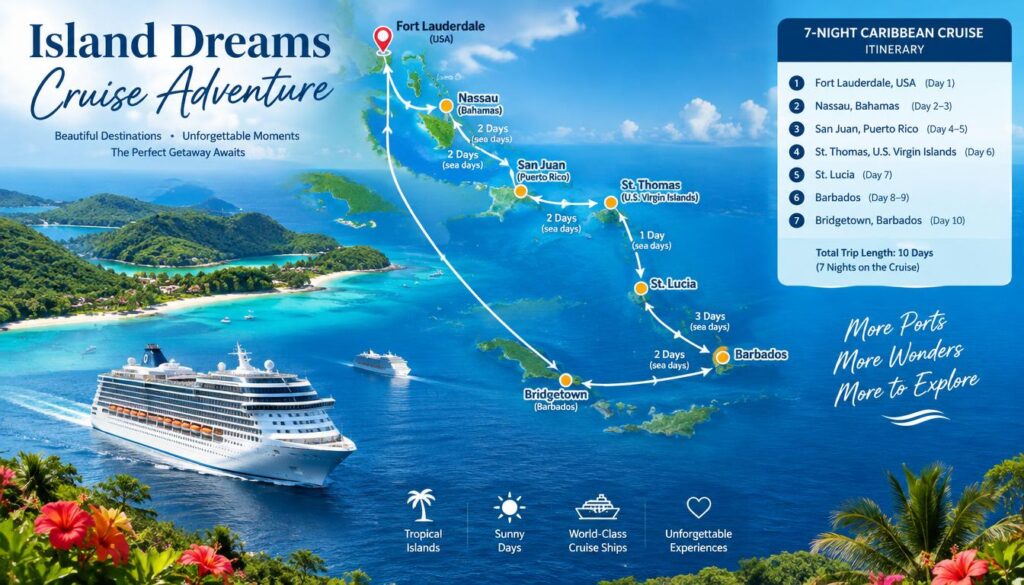
Choose the length and pace of the itinerary
A short cruise can mean less time away from family, while a longer voyage may visit more destinations. Port location matters too: a nearby departure can reduce travel time before the ship sails. Compare Princess Cruises by itinerary, cabin, and departure port rather than assuming one sailing suits every traveler.
Think about how much walking and planning each day may involve. Some ports call for long excursions, while others let guests explore closer to the dock. Travelers age 50 and up choose trips for family time, relaxation, or adventure, according to a 2025 travel-trends report. Choose ports and excursions that match your energy and interests.
Compare river-cruise cabin layouts and views
Traditional open-air balconies are unusual on river ships. A French balcony has a large window that opens at the top, but it does not provide a step-out space. Some AmaWaterways staterooms have both a French balcony and a step-out area.
Is a river-cruise balcony worth the extra price? It can be, if fresh air and a large opening window matter to you. Yet river ships may dock beside another ship or a dock wall, which can block the view. A balcony cabin does not guarantee an open sightline throughout the trip.
Cabins near the engines at the rear of a river ship may be noisy. Guests can also feel vibration or hear noise while the ship docks or passes through locks. Check cabin position and expected views against the price difference. Before paying extra for a river-cabin view, check the cabin position and how the ship is expected to dock.
What Should You Check Before Booking a Cruise?
An open balcony door can affect both cabin comfort and air conditioning, so check how the cabin is designed before choosing it. Fresh air has a trade-off: on most newer ships, opening a traditional balcony-cabin door switches off the cabin’s air conditioning. An open door can also let in wind, ocean sounds, and noise from nearby guests or ship activity.
Check the cabin design and noise risks before choosing a balcony for fresh air.
On older ships without an automatic shutoff, air conditioning works less well while the door stays open. Celebrity Edge Infinite Veranda windows can be closed remotely by the crew for bad weather or operational reasons. The windows were reported locked shut on a sea day, so an opening window may not always be available.
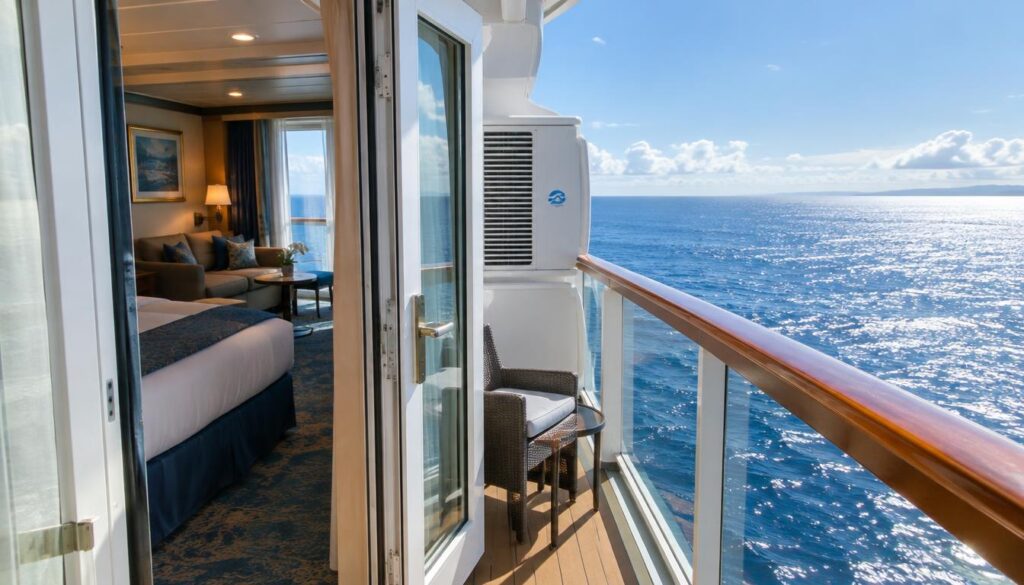
Balcony doors, air conditioning and cabin noise
An open balcony door can bring in conversations from neighboring balconies, top-deck activity, crew noise, and sounds from the dock. Check the deck plan if you are sensitive to noise. A cabin under a busy pool or near machinery may be less restful.
Food rules and onboard policies
Food rules vary by ship and sailing. On a limited number of specific Costa sailings, guests could face a €60 cleaning fee for taking buffet food back to their cabins. That was not a fleetwide or standard cruise charge. Costa’s notice required guests to eat food in designated dining areas.
The same notice allowed cabin delivery only through room-service staff trained in sanitation and hygiene. Do not assume buffet rules from one sailing apply across a cruise line. Confirm the policy for the ship and trip you plan to book.
Use this pre-departure check before you commit:
- Read the ship’s cabin and balcony rules.
- Ask about accessible-stateroom needs.
- Check the cabin’s location near noisy areas.
- Confirm the food and room-service policies.
Confirm ship-specific cabin and food rules in writing rather than assuming they match another sailing.
Conclusion
The strongest deal is the one that still suits you after the full fare and cabin details are clear. A low starting price matters less if the itinerary, extra costs, or room do not fit your needs. The right ship should match your pace, access needs, and plans for family time or quiet days.
Choose two or three sailings, then compare each final fare and its conditions. Confirm the cabin location, access features, and what the price includes before paying. Choose two or three sailings, verify their total costs and cabin conditions, and book the option that fits your plans.