A vacation can be a short drive to the coast, a few days in a city, or a bigger trip built around one unforgettable experience. Our vacation ideas cover U.S. family trips, quick escapes, restful breaks, and active adventures, with a few international dream trips. The aim is to help us find a place that fits the time we have and the people coming along.
Travel time matters as much as the destination. A two-night trip can feel rushed if we spend most of it getting there, while a longer stay gives us room to explore at an easy pace. We can also choose one home base instead of changing hotels each day. That small choice can leave more time for a walk, a meal, or a quiet morning.
Some travelers want full days outdoors; others would rather linger over breakfast and see one or two sights. Families may need shorter outings and downtime. Couples may want a scenic walk, good food, or time by the water. Start by deciding whether we want to rest, explore or share the trip with family.
Key Takeaways
- Match the destination to the time we have for travel and exploring.
- Choose a trip pace that suits the people coming along.
- One home base can make a short getaway feel less rushed.
- A single anchor activity can give a trip a clear focus.
- Check access, dates, and costs before we book.
How to Choose Vacation Ideas for Your Travel Style
The easiest way to choose is to decide how we want most of our days to feel, then match the destination to that pace. Start with the feeling, not a long list of attractions, and we can narrow the choices quickly.
Slow travel means a trip built around fewer stops and more time in each place. A weekend, a three-night stay, and a longer trip call for different amounts of travel time. For a short trip, choose one base and one main activity, so transit does not take over our days.
For a short trip, choose one base and one main activity, so transit does not take over our days.
| Travel style | Example destination | What the trip centers on |
|---|---|---|
| Relaxing | Oahu | Beaches and island scenery |
| Active | Scottsdale | Desert hikes |
| Culture-focused | Washington, D.C. | Museums and monuments |
Scottsdale offers desert hikes and resorts, while Washington, D.C., pairs a city visit with free Smithsonian museums. Oahu gives us a different pace, with time for beaches and island views. Each place can work well when its main draw matches how we like to spend a day.
A short stay can still feel full without packing in every possible stop. We can pick one neighborhood, trail, or beach as our anchor, then leave room for meals and rest. Travelers weighing resort packages can compare what meals, drinks, and activities include in the all-inclusive vacation guide.
Choose one main trip purpose before comparing lodging or activities.
Which U.S. Family Trips Mix Nature and City Time?
Oahu, Monterey, and Estes Park are strong starting points for families who want outdoor time and easy activities. One strong base can make it easier to balance kid-friendly stops with rest.
These vacation ideas in the USA offer families a mix of nature, city sights, and time at a beach or park. The best family vacation ideas leave enough room to slow down between outings. A beach, lake, or trail-focused day can beat trying to see every attraction.
Coast and island stays for families
Northern California offers redwoods, Glass Beach, and Lassen Volcanic National Park. On Oahu, families can visit Diamond Head Monument, the North Shore, and Kualoa Park. Hanauma Bay requires advance reservations, and spots fill quickly.
Seattle brings city attractions and ferry rides together, while Monterey has the Monterey Bay Aquarium, kayaking, and hikes. A family can choose one main activity each day, then add a nearby meal or short walk. This keeps the plan flexible when children need a break.
Mountain, lake and park bases
Estes Park sits about an hour and a half by car from Denver and makes a base for Rocky Mountain National Park. Families can explore mountain trails and nearby town stops. Moosehead Lake offers Lily Bay State Park, a beach and campground destination, plus sunrise or sunset moose safaris.
Glacier National Park can suit families who enjoy mountain views and outdoor days. Before choosing a trail, we can check its length and match it to the youngest walker. A stop at a lake or picnic area can make a day feel rewarding without adding another major activity.
- Check child-friendly walking distances before choosing a trail.
- Pack weather layers for changing conditions.
- Book activities that need reservations early.
- Keep a flexible meal plan for busy days.
- Leave downtime between outings.
These checks help a family choose the right place and avoid overloading the schedule. Reserve Hanauma Bay as soon as the booking window allows, rather than treating it as a walk-up stop.
Where Can We Go for an Easy 2-3-Day Weekend?
Scottsdale is a practical pick for a quick desert weekend, while Napa Valley is better when we can spare three nights. Keep the route compact so a short trip leaves time to enjoy its main draw.
Phoenix Sky Harbor International Airport is about 20 minutes from Scottsdale. Restaurants, shopping, hikes, and resorts sit within a 20-minute drive of one another. That compact layout makes Scottsdale easy to fit into two or three days.
| Destination | Weekend fit | Practical detail |
|---|---|---|
| Scottsdale | Compact desert break | Phoenix airport about 20 minutes away |
| Napa Valley | Longer wine weekend | Plan three nights; Oakland, San Francisco, or Sacramento airports |
| Chicago | City weekend | Combine museums and neighborhoods |
| Santa Barbara | Coastal break | Pair walkable downtown with nearby wine country |
Napa Valley often needs three nights because airport travel includes a drive of more than one hour. Oakland, San Francisco, and Sacramento are airport options. Planning one to three wine tastings a day gives us room for meals and travel between stops.
Chicago can fill a city weekend with museums and neighborhood time. Santa Barbara pairs a walkable downtown with nearby wine country. Other options include Charleston, Sonoma or Healdsburg, Willamette Valley, New York City, La Jolla and San Diego, Orlando, and Austin.
Sedona is about a two-hour drive north of Scottsdale, so adding it can turn a quick trip into more driving. A tight itinerary is a poor fit when most of the trip would be spent in transit. Limit a short weekend to one main area instead of adding a long-distance day trip.
Where Can We Find Unusual U.S. Getaways Beyond the Usual Stops?
Gulf County and Seabrook Island suit travelers who want a quieter coastal stay than a busy resort strip. Less bustle can mean more room for nature and unplanned time.
These places give us a different experience from a standard resort or big city trip. Check the distance from lodging to the main activity before booking.
| Place | What makes it different | Good fit for |
|---|---|---|
| Seabrook Island | Quiet beaches and biking | A low-key coastal stay |
| Gulf County | Uncrowded beaches and nature | Outdoor-focused travelers |
| Cleveland and John Carroll University | Campus visit paired with city neighborhoods | Culture and architecture |
| Frankenmuth | Bavarian-style streets and year-round events | Shopping and food |
Seabrook Island beach access can involve a walk of up to seven minutes each way. Gulf County has three stoplights and offers beach and outdoor activities. These details help us picture the pace before choosing a rental or hotel.
John Carroll University is about 30 minutes from downtown Cleveland, making a campus visit possible alongside city neighborhoods. Frankenmuth brings Bavarian-style streets, shopping, food, and events throughout the year. In Orlando, Discovery Cove limits daily visitors and offers swimming, snorkeling, a lazy river, and a bird aviary.
- Confirm seasonal access before setting dates.
- Check how far lodging is from the activity.
- Leave room for unplanned time.
- Consider a nearby town for dining.
A small town can make a quiet break feel distinct, but access may be less direct than in a busy center. Check the distance from a rental to the beach or main activity before booking.
Which Destinations Make a Memorable Couples’ Escape?
Positano and Santorini offer very different versions of a Mediterranean escape for couples who want scenery and long meals. Choose the pace together before deciding which destination fits.
Positano is a cliffside village on Italy’s Amalfi Coast, while Santorini pairs island views with towns set above the water. A winter Amalfi Coast visit may call for Sorrento as a base, since some Positano hotels close.
For a couples’ trip built around food and dramatic scenery, each place offers a different charm. Positano suits travelers who want a village stay, while Santorini can suit those who want scenic walks and time by the water. Either way, meals and views can be part of the day, not just stops between sights.
The Fira-to-Oia route on Santorini is a 9-kilometer walk that typically takes four to five hours. It is a full outing, not a quick stroll, so we should leave time for stops. Cinque Terre offers another style of trip, with five towns to explore.
Couples who prefer an easygoing beach stay can choose a Maldives resort or Turks and Caicos. We do not need to plan a full schedule to make time together feel special. A slower day can leave space for a swim, a meal, and a sunset.
Match the trip to whether we want an active walking day or a slower stay by the water.
Which Beach and Island Trips Suit a Slower Escape?
Grace Bay, the Maldives, and Zanzibar suit travelers who want a trip centered on water and time outdoors. Choose the kind of coast that matches how much movement and culture we want.
Grace Bay Beach in Turks and Caicos stretches more than five miles, giving us room for a long beach stay. The Maldives offers remote island scenery, while the Seychelles and Zanzibar pair beach time with culture. Island trips can involve boat transfers and limited flexibility.
The Seychelles consists of more than 115 islands, so the trip can focus on one base or involve several stops. Exuma includes more than 360 cays, many reached by boat. Travelers can plan a day on the water, but transfers shape how much they can do.
Tulum offers cenote outings near town, adding a freshwater stop to a coastal stay. The Blue Lagoon near Reykjavik is a geothermal-water experience, not a beach. Its warm water is about 98-102°F, and the site is about 45 minutes from the city.
Travelers who want easy access to many attractions may prefer a mainland base. On an island, a missed boat or a long transfer can change the shape of a day. We can compare the full travel time with the time we expect to spend at the beach.
For travelers weighing resort stays, an all-inclusive package can cover lodging, meals, drinks, and selected activities, though some services may cost extra. Check transfer times before choosing an island stay, since a beautiful beach can still take a full travel day to reach.
Which National Parks Make Active Outdoor Vacations?
Yellowstone is a strong choice for a first active park trip because geothermal features and wildlife viewing can fit into the same visit. Plan for varied days with short walks, scenic stops, and time outdoors.
Yellowstone is the oldest national park in the United States. Its geothermal areas and wildlife draw visitors, but the park can require more driving between sights than a city visit. Never approach wildlife for a closer view.
Yellowstone’s wildlife guidance calls for at least 100 yards from bears and wolves, and 25 yards from other wildlife. A safe distance protects both visitors and animals. Binoculars can help us watch without moving closer.
Grand Canyon National Park and Grand Teton National Park suit travelers who want dramatic views and outdoor days. Each can anchor a trip around walking, scenic stops, and time outside. We should match routes to our fitness and leave time to rest.
Yosemite offers waterfalls and established hiking areas. A park visit works best when we choose a few areas rather than trying to cross the whole site in one day. Distances between sights can add up, even when they look close on a map.
Wildlife viewing never makes an unsafe approach acceptable, even if an animal appears calm. Keep the required distance from wildlife, even when a closer view seems possible.
How Do 2026 National Park Fees and Passes Work?
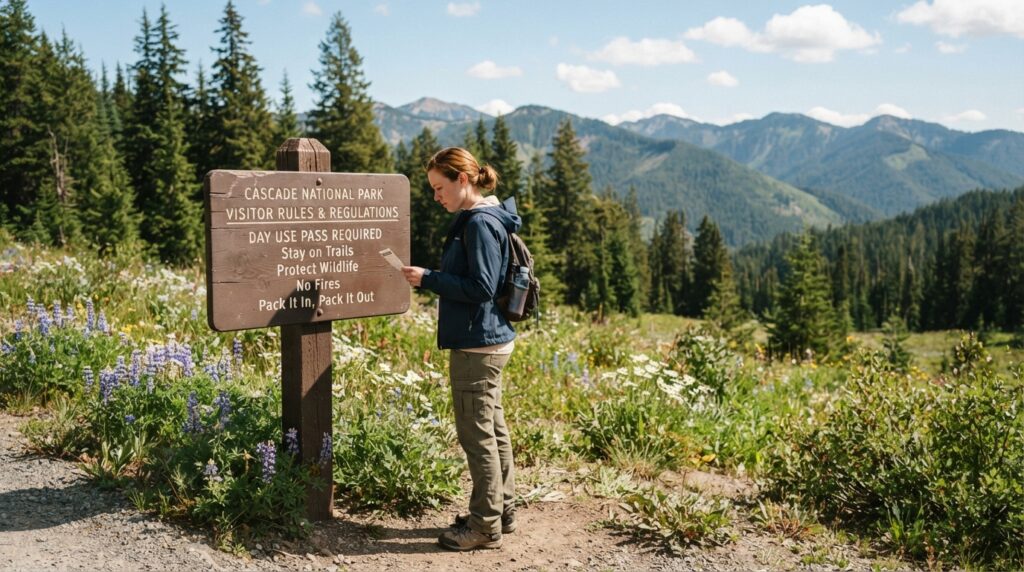
In 2026, the annual pass costs $80 for U.S. residents and $250 for nonresidents, but it does not remove every park reservation requirement. Entry fees and reservations are separate, so we should check both when planning.
Most National Park Service sites are free, while some charge entrance fees or require reservations. At 11 of the most visited parks, nonresidents without an annual pass pay an extra $100 per person, on top of the standard entrance fee.
Entrance fees, annual passes and free-entry dates
Beginning January 1, 2026, the America the Beautiful Annual Pass costs $80 for U.S. residents and $250 for nonresidents. Resident-only fee-free dates are February 16, May 25, June 14, July 3-5, August 25, September 17, October 27, and November 11.
A standard entrance pass at a fee-charging park usually covers one park for 1-7 days. The 2026 nonresident surcharge applies at 11 high-traffic parks when a nonresident lacks an annual pass. Fee-free dates apply to U.S. residents only.
What an America the Beautiful pass covers
The America the Beautiful pass covers entrance fees and standard day-use amenity fees at participating federal sites. These include sites managed by the National Park Service, U.S. Fish & Wildlife Service, U.S. Forest Service, Bureau of Land Management, Bureau of Reclamation, and U.S. Army Corps of Engineers.
Depending on a site’s fee method, one pass covers one private-vehicle fee or four per-person fees. Beginning January 1, 2026, every pass covers two motorcycles. The pass does not cover every extra service or reservation.
Eligible U.S. citizens and permanent residents aged 62 or older can buy a Senior Annual Pass for $20 or a Senior Lifetime Pass for $80. A Senior Pass may cut some camping, swimming, boat-launch, and special interpretive-service fees by 50 percent.
Reservations, delivery and pass rules
A timed-entry reservation sets an entry time for a vehicle. Tour reservations cover visits to buildings or natural features. High-traffic sites may require either type, and many releases come out on a rolling basis through Recreation.gov.
A digital pass from Recreation.gov can be used right away on a mobile device. A pass ordered through the USGS Online Store may take up to three weeks to process and arrive. A receipt cannot replace the physical pass.
Passes are non-refundable and non-transferable, and lost or stolen passes cannot be replaced. We need valid photo identification when using one. Confirm both the entrance fee and any separate reservation requirement for each park before leaving home.
When Should We Visit U.S. Nature Destinations?
January is a more manageable time for Death Valley hikes, while late spring is better for Yosemite waterfalls. Season shapes access, from road openings to flowers and trail conditions.
Death Valley is recommended for January hiking because temperatures are more manageable and crowds are fewer. Summer visits are discouraged. Flower and road timing can shift with weather and seasonal conditions.
| Season or month | Destination | What to plan around |
|---|---|---|
| January | Death Valley | Hiking and fewer crowds |
| March-April | California poppy areas | Blooms after a wet winter |
| May | Yosemite and Carlsbad Flower Fields | Road reopenings and flower blooms |
| Summer | Glacier and North Cascades | Day hikes and trail access |
Spring blooms, waterfalls and green landscapes
California poppy superblooms usually happen in March and April after a particularly wet winter. The Carlsbad Flower Fields typically peak from late March through early May. Both sights depend on the season’s conditions.
Spring suits the Cumberland Plateau state parks in Central Tennessee, where waterfalls run full and the scenery turns lush. Northern Florida has more than 700 natural springs. May can bring warm, less humid weather before hurricane season.
Yosemite’s Tioga Road and Glacier Point Road usually reopen in May after winter. Yosemite waterfalls are strongest in late spring or early summer. Road openings can shift, so a planned route may need a backup.
Summer access and cooler-weather choices
July is a summer season in Glacier National Park, when the Grinnell Glacier overlook is reachable on a day hike. Washington’s North Cascades also suits summer hiking, with Maple Pass Loop, Trappers Peak, and Cascade Pass as options.
July and August bring large crowds to Yosemite, even as waterfalls may still flow. We can plan early starts or choose a less busy area. Check current road and trail access before setting a date around a seasonal highlight.
Which Ten Dream Destinations Around the World Belong on Our List?
Banff, Iceland, Sri Lanka, and the Great Barrier Reef offer a varied start to an international shortlist. Pick one main region for a longer stay, rather than racing between distant places.
These destinations offer different kinds of experience, from mountain views to historic city streets. Choosing one region for a longer stay can make a long-haul trip less rushed.
Mountain, island and wildlife landscapes
- Banff and Lake Louise, Canada: mountain scenery and lake activities.
- Kauai, Hawaii: explore the Na Pali Coast by hike or boat.
- Moorea, French Polynesia: island scenery and local culture.
- Iceland: geothermal water, waterfalls, and black-sand beaches.
- Sri Lanka: beaches, historical sites, and safari opportunities.
- New Zealand: national parks, wine regions, and mountain views.
Historic and nature-rich long-haul trips
- Masai Mara, Kenya: a guided wildlife safari.
- Great Barrier Reef, Australia: snorkeling or a scenic flight.
- Rome, Italy: ancient history and piazzas.
- The Algarve, Portugal: coastal towns and beaches.
Banff and Lake Louise combine Canadian mountain scenery with lake activities. Kauai’s Na Pali Coast can be explored by hike or boat. Iceland makes geothermal water and waterfalls part of a trip, while Moorea brings island views and culture together.
Sri Lanka offers beaches, history, and safari opportunities in one country. New Zealand has national parks, wine regions, and mountain landscapes. The Masai Mara centers on guided wildlife viewing, while the Great Barrier Reef offers time in or above the water.
Rome gives travelers ancient history and lively piazzas; the Algarve pairs coastal towns with beaches. Choose a destination whose main experience is worth the travel time, rather than trying to combine too many far-apart places.
Which Cities Make Rewarding Culture-Focused Trips?
New Orleans, Seattle, and Washington, D.C., offer very different ways to build a culture-focused city break. Choose a cultural anchor such as music, museums, food, or architecture.
New Orleans brings Creole food, live jazz, and French Quarter architecture together. Seattle offers the Space Needle, a zoo, an aquarium, and ferry rides. Washington, D.C., pairs monuments with free Smithsonian museums.
Austin mixes live music with outdoor time at Zilker Metropolitan Park, which covers 361 acres. Washington, D.C., suits travelers who want museums and monuments in one trip. We can build each day around one main area.
Marrakech offers souks, hammams, and historic landmarks. Rome suits travelers who want ancient history, piazzas, and Italian dining. A short list of daily stops helps us make room for meals and neighborhood walks.
A city break can be easier without a rental car when sights and meals cluster in walkable areas. We can use transit or walk between nearby stops, then choose a ride only when distances call for one. This can also leave more time for a local meal.
Pick a neighborhood or cultural anchor for each day, then leave space for an unplanned stop.
What Once-in-a-Lifetime Adventures Can Shape a Trip?
Galapagos snorkeling or an Antarctica zodiac cruise can give an entire trip a clear purpose. One standout experience can make the route and daily plans easier to choose.
We can build a trip around wildlife, water, or a journey where the route matters. Respectful wildlife viewing follows the operator’s guidance and never pressures animals to interact.
Wildlife encounters on land and water
- Snorkel and spot wildlife in the Galapagos.
- Explore San Blas by sailboat and meet Kuna communities on some islands.
- Take an Antarctica zodiac cruise among icebergs and whales.
- Try bamboo rafting on Jamaica’s Martha Brae River.
- Join a guided safari experience in Africa.
Galapagos trips can be land-based and include snorkeling and wildlife spotting. San Blas includes 365 palm-fringed islands, with Kuna communities on some islands. In Antarctica, a zodiac cruise can pass icebergs and humpback whales.
Wildlife encounters depend on the animals’ behavior, not our schedule. A good viewing plan leaves room for animals to move away. We should follow crew or guide instructions and avoid any tour that pushes for contact.
Journeys that make the route part of the experience
The Inca Trail makes the journey itself an active part of a trip. Other experiences may focus more on local culture or scenery, such as sailing among San Blas islands or seeing ice from a zodiac.
On Jamaica’s Martha Brae River, bamboo rafting offers a quieter ride through the landscape. Ocho Rios also includes Dunn’s River Waterfall. Choose wildlife encounters that allow the animals to keep their distance and opt out of interaction.

Where Can a History-Focused Trip Feel Especially Meaningful?
Petra and Giza make history visible through architecture, while Auschwitz-Birkenau calls for a quieter, more reflective visit. Let the place set the tone for how we spend the day.
Petra’s rock-carved city begins with the Siq, a narrow route nearly a mile long leading to the Treasury. Reaching the Monastery takes about an hour up 800 steps. Plan for the effort as well as the history.
The pyramids at Giza and the Taj Mahal make architecture and history central to a visit. The Great Pyramid of Khufu was built by an estimated 30,000 workers over 80 years. These places reward time spent learning how they were made and used.
Auschwitz and Birkenau were liberated in January 1945. Auschwitz-Birkenau is a memorial and place of education about the Holocaust, not a leisure attraction. Visitors can approach the site with care, quiet, and time to learn its history.
Scotland’s castles offer a less intense heritage trip, with varied sites that connect architecture to local history. We can choose a few places and learn their context, rather than treating each stop as a quick photo opportunity.
Set aside enough time to learn the context of a memorial site before visiting.
How Can We Plan an Affordable Three-Day Trip?
For a three-day U.S. trip, a practical starting budget is about $500-$1,500 per person before airfare. Start with a ceiling, then choose the destination and stay that fit it.
An inexpensive vacation is easiest to plan around a short drive, free public attractions, and lodging outside peak dates. Washington, D.C., can help keep activity costs down because Smithsonian museums are free. Use the range as a starting point, not a fixed price.
Lodging, local transportation, meals, and paid activities shape the total. A city stay near several free sights may cost less than a trip with long drives and pricey admissions. We can adjust the plan before booking.
- Transportation: include fuel, transit, parking, or rides.
- Lodging: compare the full stay and location.
- Meals: plan groceries, casual meals, and one special dinner.
- Admissions and local transit: count paid sights and daily rides.
A 10-15% contingency is a practical buffer for unexpected costs. We can keep that amount aside instead of using it for planned activities. The extra room helps when a meal, ride, or ticket costs more than expected.
A cheap four-night break is more likely when our dates are flexible and the destination has free outdoor or cultural options. A nearby trail, waterfront, or museum can fill a day without adding costly tours. Package stays may include meals and selected activities, but we should compare transfers and extras too.
Set a spending ceiling first, then choose a destination and lodging that fit inside it.
Which Road Trips Make the Journey Part of the Vacation?
The Pacific Coast Highway and the Miami-to-Key West drive both make the stops along the route part of the trip. Plan the stops first, then set a driving pace that leaves time to enjoy them.
A road trip needs realistic driving time and an overnight plan. Do not assume every beach access point sits right beside the road.
Choose overnight stops before booking lodging, so each day’s driving remains realistic.
California’s Pacific Coast Highway
The Pacific Coast Highway runs along the California coast from San Francisco to Los Angeles. Possible stops include Monterey, Big Sur, Santa Barbara, Malibu, and the Santa Monica Pier.
Big Sur is a 90-mile stretch, so we can choose one overnight stop rather than driving the full coast at once. Monterey can start the route, while Santa Barbara or Malibu can break up the southern stretch. The right number of days depends on how many stops we want.
Beach access points may sit away from the highway, and parking can add time. We should leave space for a walk from the car and for changes in road pace. A scenic drive works best when we do not treat every stop as a quick photo.
Miami to Key West
The Miami-to-Key West drive can include a stop in Islamorada before a final island stay. We can use the route for a meal, a break, or a short look around, rather than racing straight through.
Driving time is only part of the day. Stops, traffic, and finding a place to park all affect the schedule. Choose overnight stops before booking lodging, so each day’s driving remains realistic.
Conclusion
A good getaway starts with a clear idea of how we want to spend our days. The best fit reflects the time we have and the pace we want, whether that means a full schedule or quiet mornings.
One well-chosen anchor experience can make a short trip feel special. We can choose one destination, confirm its dates and access requirements, then set a spending limit before booking.
Pick one place that fits our calendar and begin by checking its dates and entry requirements.